
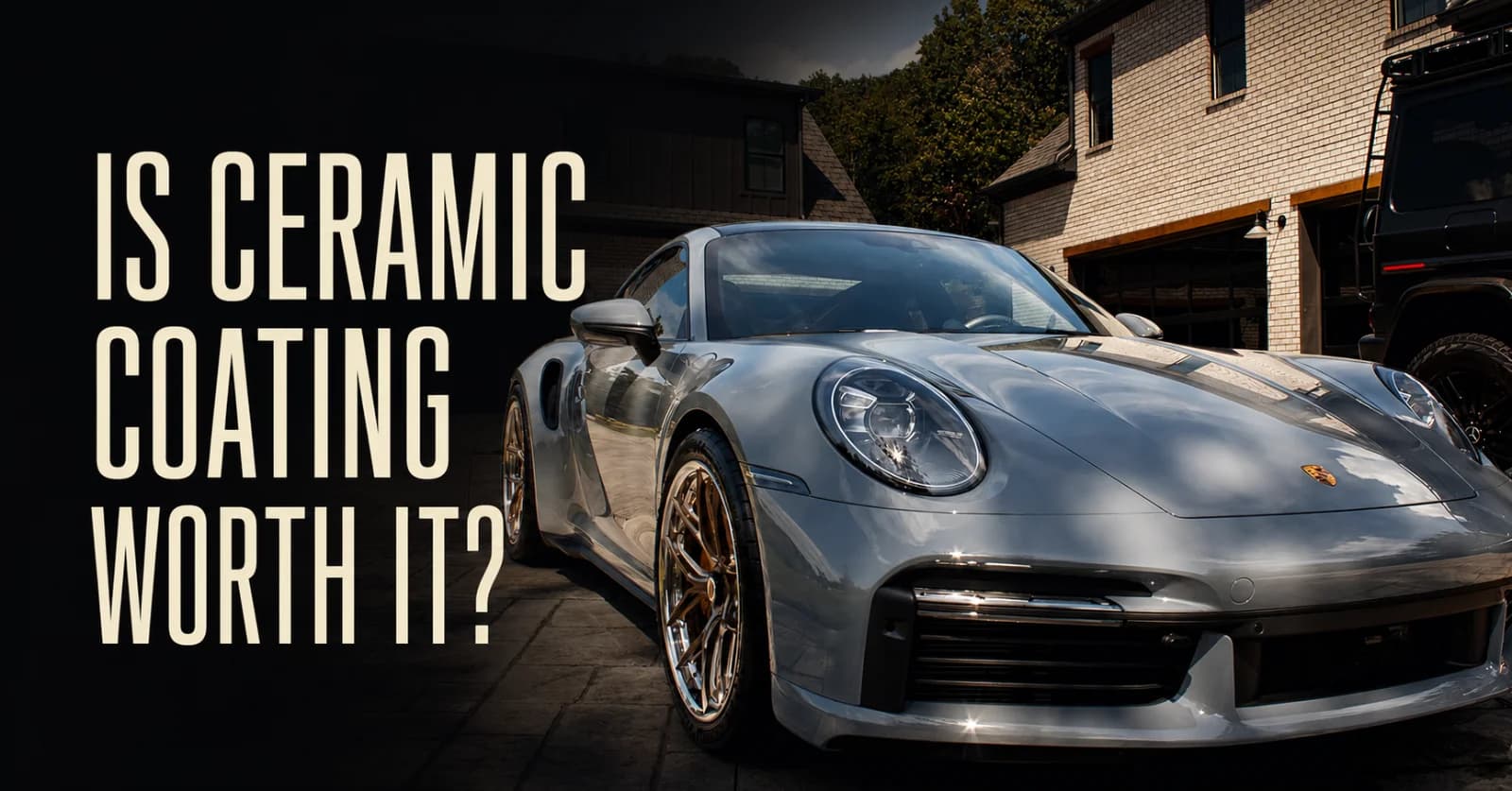
Ceramic coating can be worth it when you want longer-term paint protection, easier maintenance, and a consistently glossy finish—and you are willing to care for it properly. It is not magic armor. It will not stop rock chips, prevent every scratch, or make washing unnecessary. The value comes from choosing the right coating, preparing the paint correctly, and maintaining it after installation.
At Millers Mobile Detailing, we require an assessment before we confirm ceramic-coating pricing or duration. Photos help us begin that assessment, but the condition of the paint determines the preparation and correction work the vehicle actually needs.
What ceramic coating does
A professional ceramic coating creates a durable protective layer on properly prepared paint. Depending on the product and package, it can improve gloss, make water and contamination release more easily, and add resistance to environmental and chemical exposure.
Gtechniq’s coating overview describes the core benefit as a harder-wearing, easier-to-clean surface with hydrophobic performance. That matches how we explain it to customers: coating is primarily about protection and easier upkeep, not making paint indestructible.
What ceramic coating does not do
It does not prevent rock chips or impact damage.
It does not make paint scratch-proof.
It does not remove existing swirls, oxidation, or defects.
It does not eliminate the need for careful washing.
It does not guarantee one universal lifespan on every vehicle.
If impact protection is the main goal, paint-protection film is a different product category. If the paint already has visible defects, those defects may need correction before coating because the coating will preserve the finish underneath it—it will not hide poor preparation.
Why preparation matters more than the bottle
The best coating cannot compensate for rushed preparation. The vehicle may need a thorough wash, chemical and mechanical decontamination, paint inspection, correction, panel preparation, and controlled application. Professional coating instructions from Gtechniq likewise call for a clean, contaminant-free surface and correction of swirls or imperfections before application.
This is why an online price cannot tell the whole story. Two vehicles of the same size can require very different amounts of preparation. A newer car can still have dealership wash marks, transport contamination, or isolated defects. An older vehicle may be in excellent condition because it has been carefully maintained.
When we think ceramic coating is a good fit
Ceramic coating is often a strong choice when:
You plan to keep the vehicle and care about preserving its finish.
The vehicle is parked outdoors or driven frequently.
You want washing and drying to be easier.
You value gloss and want a finish that is easier to maintain consistently.
You are comfortable following a proper wash and maintenance routine.
You understand that paint correction and coating are separate parts of the process.
When it may not be the best investment
We would rather recommend the right service than sell a coating to everyone. It may not be the best fit if you expect it to prevent every scratch, never plan to wash the vehicle properly, need impact protection instead, or are not concerned with long-term appearance. A high-quality sealant or another protection option may better match your goals and budget.
How long does ceramic coating last?
There is no honest single answer without naming the exact product, package, application process, vehicle use, storage, and maintenance routine. Product ratings can range from shorter-term options to multi-year systems, but real performance depends on how the surface was prepared and how the vehicle is cared for afterward.
Maintenance still matters. Gtechniq’s maintenance guidance recommends regular washing with coating-safe products and periodic decontamination rather than treating coating as a no-care solution.
What our assessment covers
Before we confirm a ceramic-coating job, we want to understand:
The year, make, model, size, and current condition of the vehicle.
Visible swirls, oxidation, water spots, scratches, or previous paint work.
Whether the vehicle has an existing wax, sealant, or coating.
Your expectations for correction, gloss, protection, and longevity.
How the vehicle is parked, driven, washed, and maintained.
Which surfaces you want protected beyond the paint, such as glass, wheels, trim, or interior materials.
Once we understand those factors, we can confirm the preparation, coating package, price, and estimated duration. That protects you from an unrealistic quote and gives us a clear standard for the finished job.
Frequently asked questions
Does ceramic coating prevent scratches?
It can add chemical resistance and help reduce light marring during proper maintenance, but it does not make paint scratch-proof. Improper washing can still create swirls, and sharp or heavy contact can still damage the finish.
Does a new car need paint correction before coating?
Sometimes. New does not always mean defect-free. We inspect the paint under appropriate lighting and recommend only the level of correction needed to reach the agreed finish.
Can I book ceramic coating without an assessment?
You can submit the request and upload photos through our booking process, but we confirm the final scope, price, and duration after assessment. That is also true for paint correction.
Can ceramic coating go on wheels, glass, or interior surfaces?
Yes, but those surfaces use products designed for their specific materials. They may be added separately depending on the package and the condition of the vehicle.
Is ceramic coating worth it for a daily driver?
Often, yes. Daily drivers see regular sun, rain, road film, insects, and washing, so easier maintenance and durable protection can be valuable. The right answer still depends on your budget, expectations, and how long you plan to keep the vehicle.
If you are considering ceramic coating or paint correction, request an assessment and send clear photos of the paint. We will help you understand what the vehicle needs before you commit to the work.